Ceramic vs. Porcelain: What’s the Difference?

If you are planning a renovation and comparing tile options, you have probably asked yourself this question. What is the difference between ceramic and porcelain? They often look similar. They are both used for floor tiles and wall tiles. They both come in endless colours and finishes. But they are not exactly the same.
To understand the difference, it helps to start with the basics. Porcelain is actually a type of ceramic. The real difference comes down to the raw materials, the firing temperature and the final properties of the tile.
What Is Ceramic?
Ceramics consist of clay, loam and water. The word ceramic is also a general term for products made from clay or clay-like raw materials that are shaped and then fired in a kiln.
So when we talk about ceramic tiles, we are talking about tiles made from natural clay materials that have been formed and hardened through heat.
There are four main categories of ceramics:
- Porcelain
- Stoneware
- Earthenware
- Terracotta
Porcelain is a specific type of ceramic, just like stoneware, earthenware and terracotta. Each category differs in composition, firing temperature and overall properties. The firing process, combined with the type of raw materials used, determines whether the finished product is fine and smooth or more coarse and robust.
This classification helps explain why some ceramic tiles are softer and more decorative, while others are dense and extremely durable.
A Brief History of Ceramic, Porcelain and Terracotta
Ceramics are one of the oldest building and decorative materials in human history. Ancient civilisations used clay mixed with water to create pottery, bricks and tiles. Once people discovered that firing clay in a kiln made it hard and long lasting, ceramics became essential in construction.
The earliest ceramic tiles were simple and practical. Over time, glazing techniques were developed to add colour and protection. This led to decorative wall tiles in ancient Egypt and detailed mosaics in Roman bathhouses.
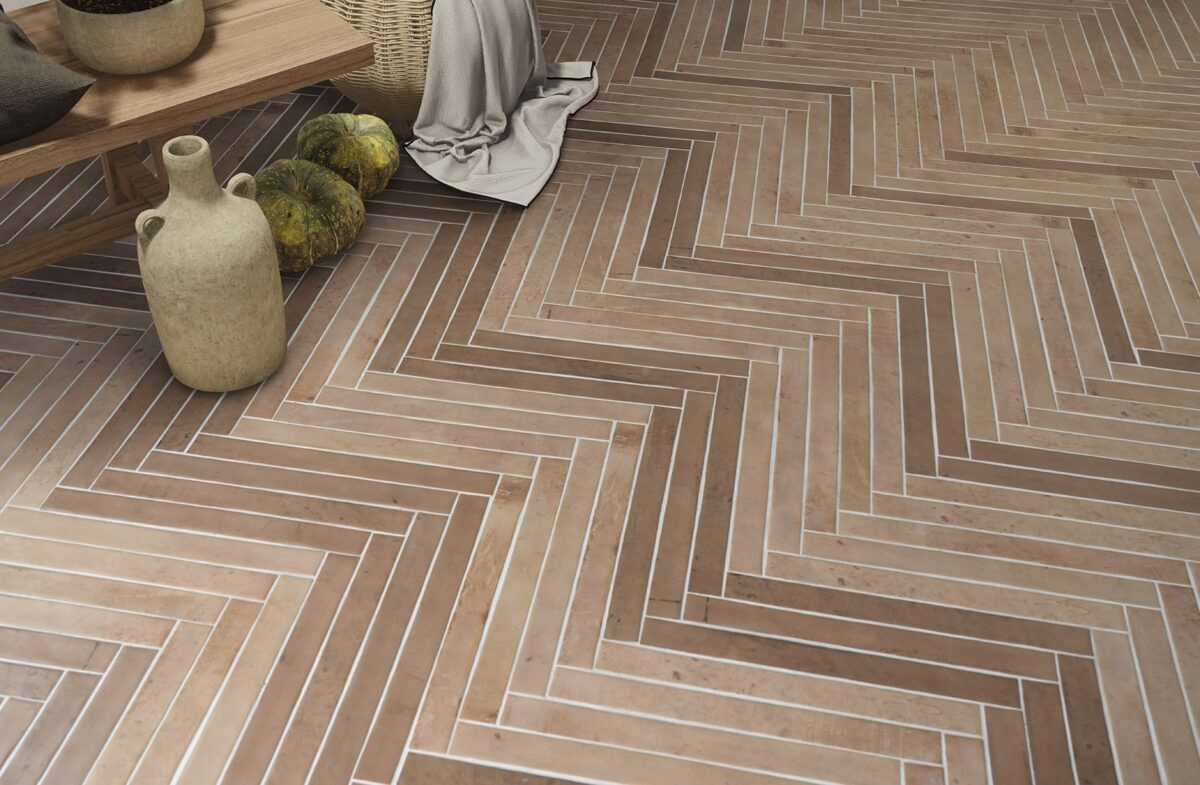
Terracotta, which literally means baked earth, has been used for thousands of years in roofing, flooring and sculpture. Its warm, earthy tone comes from the natural iron content in the clay. Terracotta floor tiles were widely used in Mediterranean homes and are still popular today for their rustic character.
Porcelain was developed later and is often traced back to China. It was prized because of its fine texture and refined finish. Compared to other ceramics, porcelain was smoother and stronger due to higher firing temperatures and specific clay compositions.
As manufacturing techniques improved in Europe and eventually worldwide, both ceramic tiles and porcelain tiles became widely available. Today, they are used in homes across Australia, including countless projects involving tiles in Melbourne.
The Main Categories of Ceramics
Understanding the ceramic categories helps clarify the difference between ceramic and porcelain.
Earthenware
Earthenware is generally fired at lower temperatures. It is more porous and slightly softer. In tile form, this type of ceramic is often used for decorative wall tiles rather than heavy-duty floor tiles.
Stoneware
Stoneware is fired at higher temperatures than earthenware. It is denser and more robust. Some ceramic tiles fall into this category, offering a balance between strength and versatility.
Terracotta
Terracotta is a form of earthenware made from natural clay, usually left unglazed to showcase its warm, reddish tone. It is fired at relatively low temperatures, which means it remains more porous than porcelain. Terracotta floor tiles are often sealed to improve durability and stain resistance. They are popular in both indoor and outdoor settings where a natural, rustic look is desired. It is very common in modern manufacturing and design to utilise terracotta hued glazes on porcelain, as it offers the strength and resistance of porcelain but with the warm colours of terracotta.
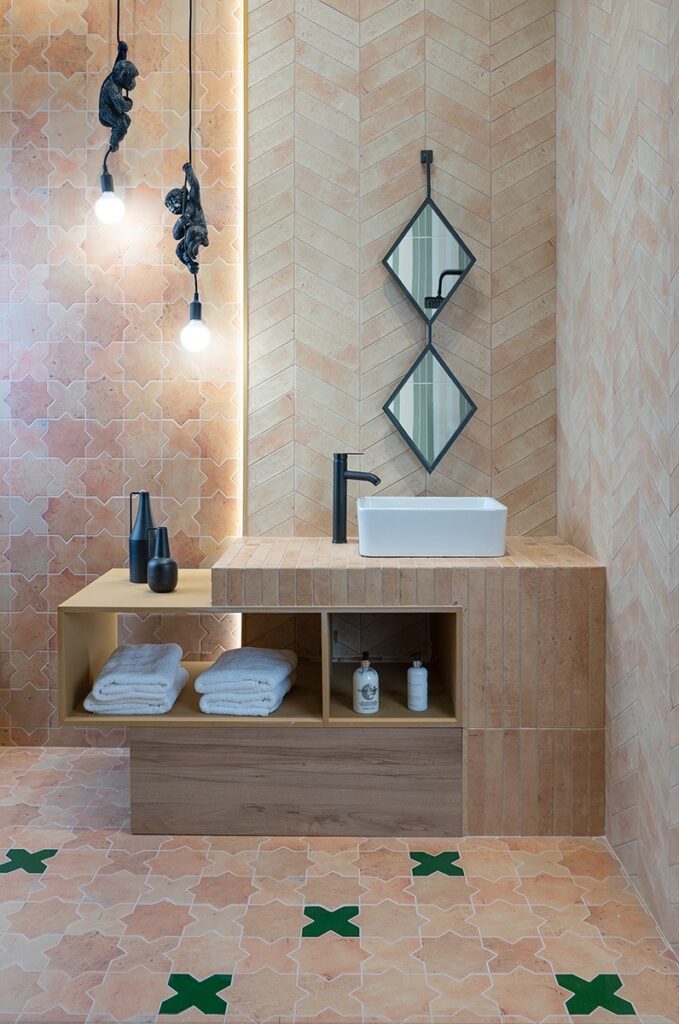
Porcelain is the most refined category. It is made from specific clay materials and fired at very high temperatures. This process creates a dense, hard tile with low water absorption.
When comparing ceramic tiles and porcelain tiles in a showroom, you are essentially comparing different types within the same ceramic family.
Porcelain
How the Firing Process Changes Everything
The burning process, or firing process, plays a key role in determining a tile’s properties. When clay is fired in a kiln, the particles fuse together. The higher the temperature, the denser and harder the final product becomes.
For standard ceramic tiles, the firing temperature is lower than for porcelain. This usually results in a tile that is slightly more porous and easier to cut.
Terracotta is also fired at lower temperatures, which gives it its distinctive earthy appearance but means it needs sealing for many applications.
Porcelain tiles are fired at higher temperatures. The result is a tile that is finer, denser and often stronger. This makes porcelain a popular choice for floor tiles in high traffic areas and outdoor spaces.
In Melbourne homes, where climate conditions can vary from hot summers to damp winters, this difference can matter, especially for external floor tiles.
Typical Properties of Porcelain Tiles
Porcelain shares the core characteristics of ceramics, including hardness and durability, but usually at a higher level due to its composition and firing temperature.
Porcelain tiles are typically:
- Denser
- Less porous
- More resistant to moisture
- Highly durable
These properties make porcelain floor tiles suitable for busy family homes, open-plan living areas and outdoor entertaining zones. Because they absorb less water, they are also commonly used in bathrooms and entryways.
If you are searching for tiles in Melbourne for a high traffic area such as a hallway or kitchen floor, porcelain floor tiles are often recommended.
Design and Aesthetic Differences
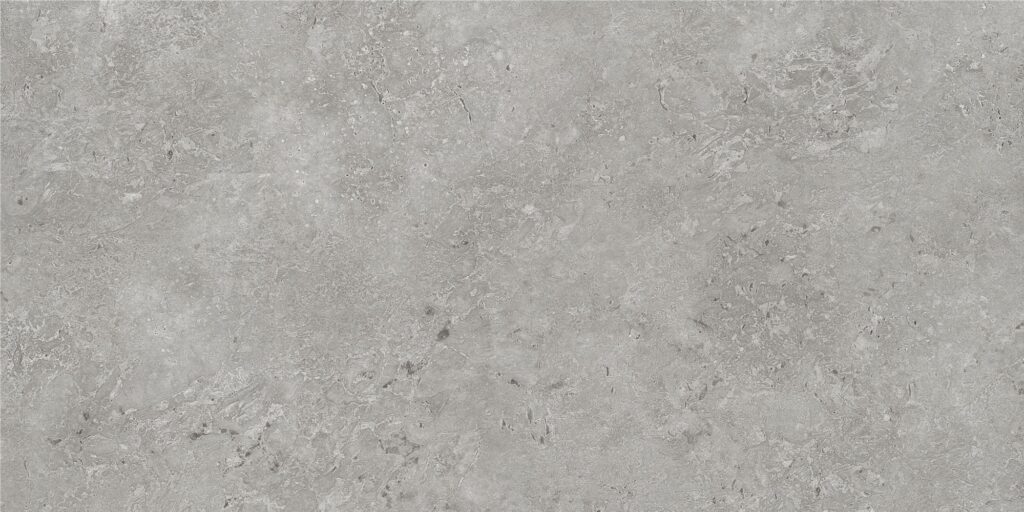
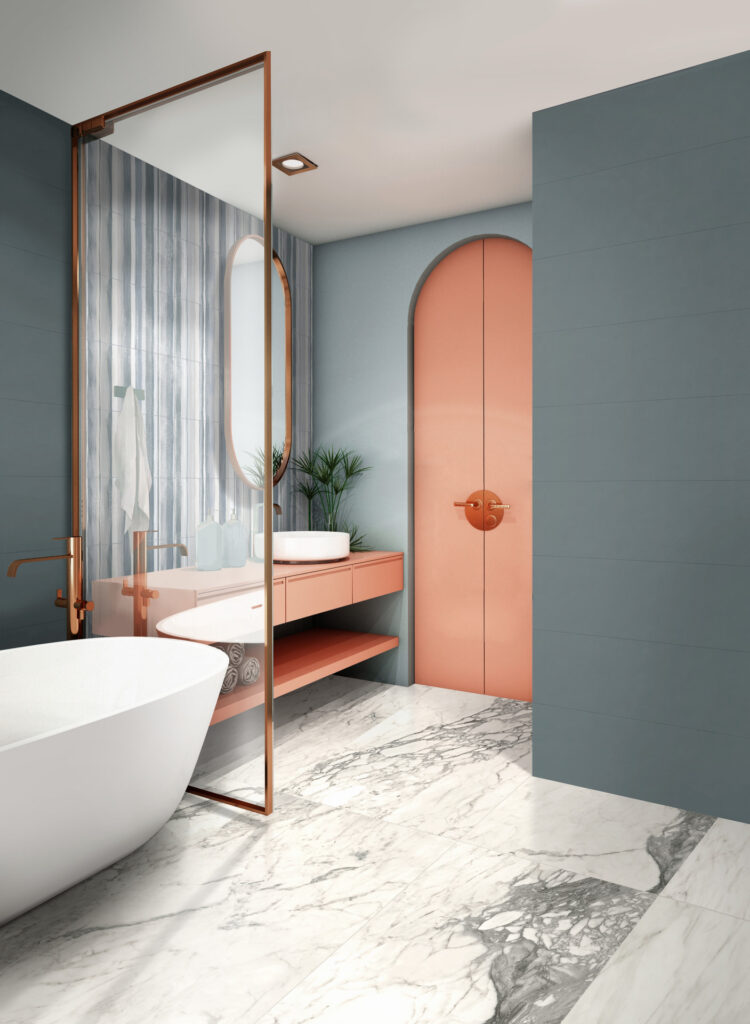
From a design point of view, ceramic tiles, terracotta and porcelain tiles offer huge versatility. Modern manufacturing allows many porcelain and ceramic tiles to replicate natural stone, timber and concrete finishes.
Ceramic tiles are particularly popular for decorative wall tiles. They are available in a wide range of colours, patterns and textures. This makes them ideal for feature walls and splashbacks.
Terracotta floor tiles bring warmth and a handcrafted feel to interiors and courtyards. They suit Mediterranean, rustic or farmhouse-style homes.
Porcelain tiles are often chosen for large format floor tiles because of their strength and structural integrity. Their density also allows for polished or smooth finishes that can suit contemporary interiors.
In Melbourne, where design trends range from coastal minimalism to industrial chic, ceramic tiles, terracotta and porcelain tiles all play a strong role in shaping interiors.
Choosing the Right Tile for Your Space
When deciding between ceramic, terracotta and porcelain, think about how the space will be used.
For wall tiles in bathrooms and kitchens, ceramic tiles are often more than sufficient. They are resistant, easy to maintain and come in countless designs.
For floor tiles in living areas, hallways or outdoor spaces, porcelain may offer extra peace of mind due to its density and moisture resistance.
For a warm, earthy look in living rooms, kitchens or alfresco areas, terracotta floor tiles can create a beautiful natural atmosphere, provided they are properly sealed and maintained.
Budget also plays a role. Standard ceramic tiles are often more cost-effective, while porcelain tiles may cost more upfront but provide added durability.
If you are selecting Melbourne tiles for a renovation, it is worth speaking with a local supplier about the specific product classification and where it is best installed.
Summary
Ceramic and porcelain are closely related, but they are not identical. Ceramics include porcelain, stoneware, earthenware and terracotta. The difference lies in the raw materials, firing temperature and resulting properties.
Ceramic tiles are versatile, hard wearing and ideal for many wall tiles and moderate-use floor tiles. Terracotta offers warmth and natural charm. Porcelain tiles, as a refined type of ceramic, are denser and often better suited to heavy traffic floor tiles and moisture-prone areas.
All have a long history and continue to be trusted materials in homes across Australia. Whether you are updating a bathroom, designing a new kitchen or exploring tiles in Melbourne for a full renovation, understanding these differences will help you make the right choice for your space.