Stylish & Practical: Designing Your Dream Kitchen with Splashback Tiles

The Transformative Power of Splashback Tiles in a Kitchen

Imagine stepping into a kitchen that feels like it has been taken from the pages of a high-end design magazine, yet handles the chaotic energy of family life with ease. Splashback tiles are the unsung heroes of this balance, offering a blend of style and practicality that can transform any space while acting as a vital shield against the daily hustle. They are more than a decorative accent; they are a functional necessity that protects your walls from the inevitable grease, heat, and spills of a busy home. While style is important, practicality cannot be overlooked. Splashback tiles that are easy to clean and maintain can save you time and effort in the long run and this guide will help you decide on tiles that strike the perfect balance between beauty and functionality.

Whether you are a seasoned renovator or a first-time homeowner, this guide will help you navigate the journey from selection to installation giving you a clear understanding of how to choose the right splashback tiles for your kitchen. We’ll dive into the materials, sizes, and maintenance tips and you will also learn how to blend style with practicality, ensuring your kitchen remains a stunning, low-effort masterpiece for years to come.

Why Splashback Tiles Matter

Splashback tiles are more than just functional; they are a key element in defining the style and mood of your kitchen. Whether you opt for a bold, patterned design or a sleek, minimalist look, the right tiles can transform the space, making it both inviting and visually appealing.  A well-chosen splashback can serve as a focal point in your kitchen, drawing the eye and setting the tone for the entire room. It can complement your cabinetry, countertops, and appliances, creating a cohesive and harmonious design that reflects your personal taste and style.

Splashback tiles also serve as a protective barrier in your kitchen, safeguarding walls from everyday spills, splashes, and cooking mishaps. They create a seamless, easy-to-clean surface that shields your walls from water damage and stains, ensuring your kitchen stays in top condition. In addition to protecting against spills, splashback tiles are heat-resistant. This is crucial in areas near the stove or oven, where hot pots and pans can cause damage to unprotected walls. The tiles provide a durable surface that can withstand high temperatures without warping or discolouring.

Moisture can be a common issue in kitchens, especially around sinks and dishwashers. Splashback tiles prevent water from seeping into the walls, which can lead to mould and mildew growth. Their impermeable surface ensures that moisture is kept at bay, maintaining a healthy and hygienic environment.

One of the most significant advantages of splashback tiles is their ease of maintenance. Unlike painted or wallpapered surfaces, tiles are generally non-porous and resistant to stains, making them incredibly easy to clean. A simple wipe with a damp cloth is often all that’s needed to keep them looking fresh and new.  Regular cleaning is a breeze with splashback tiles, as they don’t absorb dirt or grime. This feature is particularly useful in a high-traffic area like the kitchen, where spills and splatters are common. The durability of tiles also means they can withstand frequent cleaning without showing signs of wear or damage.

Choosing Your Perfect Splashback Tile

Material Matters

Ceramic and porcelain tiles are top choices for kitchen splashbacks. They are incredibly durable and come in a wide variety of colours and designs. These tiles are easy to clean and maintain, making them perfect for high-traffic areas.

Glass tiles add a modern and reflective touch to any kitchen. They are highly resistant to stains and easy to clean, reflecting light beautifully to brighten the space. Glass tiles are ideal for creating a sleek, contemporary look that stands the test of time.

Natural stone tiles, such as marble or granite, bring a touch of luxury and unique patterns to your kitchen. However, they require regular sealing to prevent stains and water damage. Despite this, the timeless elegance of natural stone makes it a worthwhile investment for a sophisticated look or as an alternative there are numerous natural stone and marble look tiles that you could consider to replicate the look of natural stone or marble.

Size & Shape

When planning your splashback, Subway tiles are a classic choice that are known for their versatility and timeless appeal. They come in a variety of sizes, colours and finishes, making it easy to match your existing decor. The rectangular shape is perfect for creating a clean, streamlined look. Or if you like, larger format tiles reduce the number of grout lines, creating a more seamless and modern appearance. They are ideal for a clean, minimalist look and are easier to clean due to fewer joints. Larger tiles can make a small kitchen appear more spacious and elegant.

Mosaic tiles allow for intricate and detailed designs, perfect for adding a touch of creativity to your kitchen. They come in various materials, including glass, ceramic, and stone, offering endless possibilities for customization. Mosaics can create a focal point or a subtle accent, depending on your design goals.

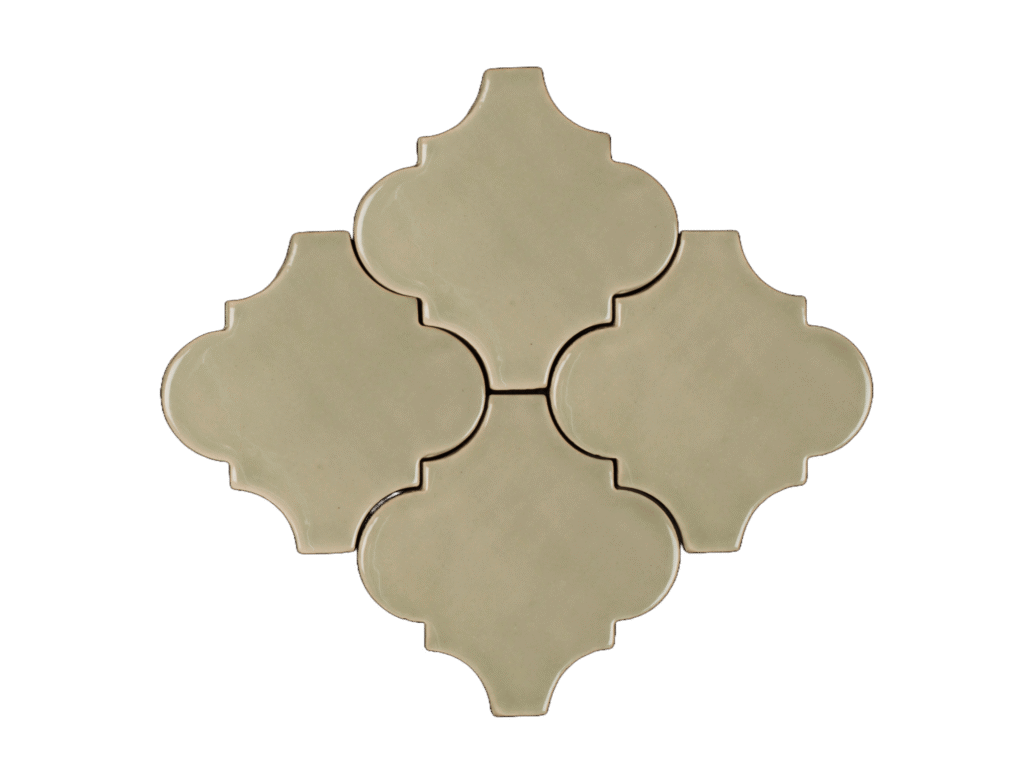
Unique tile shapes, such as hexagons and fish scales, can make a bold statement in your kitchen. These shapes add visual interest and a touch of personality, making your splashback stand out. They are ideal for those who want to create a truly unique and eye-catching design.

Colour & Decoration

When choosing splashback tiles, consider whether you want to match your existing decor or create a contrast. Matching tiles can create a cohesive and harmonious look, while contrasting tiles can add a pop of colour and personality. Both approaches have their merits, depending on your design preferences. Using trending colours can bring a fresh and modern feel to your kitchen, but they may become dated over time. Classic neutrals, on the other hand, offer a timeless appeal and are easier to update. Consider your long-term plans and personal style when choosing your tile colours.

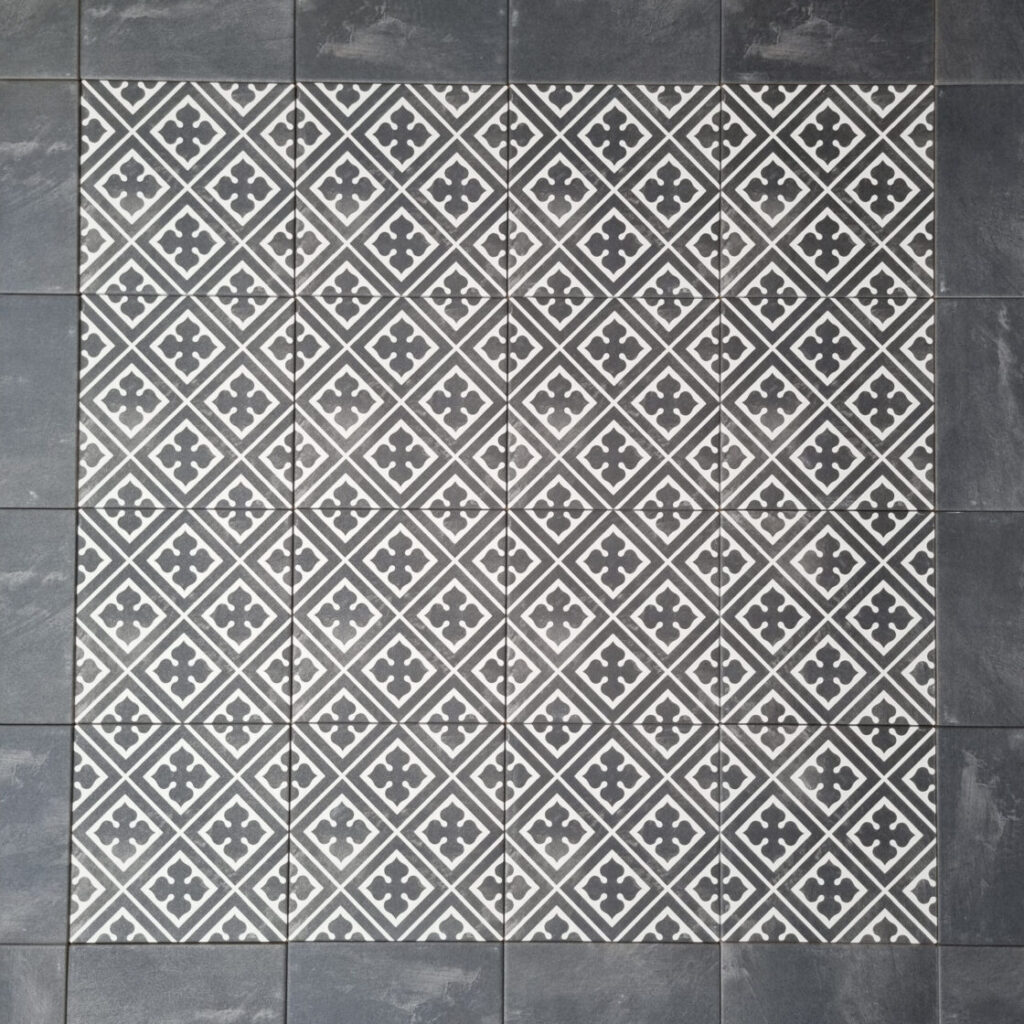
Another great way to add personality and flair to your kitchen is through the use of decorative tiles. From geometric designs to floral motifs, decorative tiles can transform a simple space into a vibrant and dynamic area. They are perfect for those who want to make a bold statement with their splashback.

Top Kitchen Splashback Ideas & Trends

Full-height splashbacks extend from the countertop to the ceiling, creating a dramatic and cohesive look. They are perfect for small kitchens, as they can make the space feel larger and more open. This design choice is ideal for those who want a modern and sleek appearance.

Mirrored or reflective splashback tiles can transform a kitchen by making it feel brighter and more spacious. They reflect light, creating an illusion of depth and openness. These tiles are particularly effective in areas with limited natural light, enhancing the overall ambiance of the room.

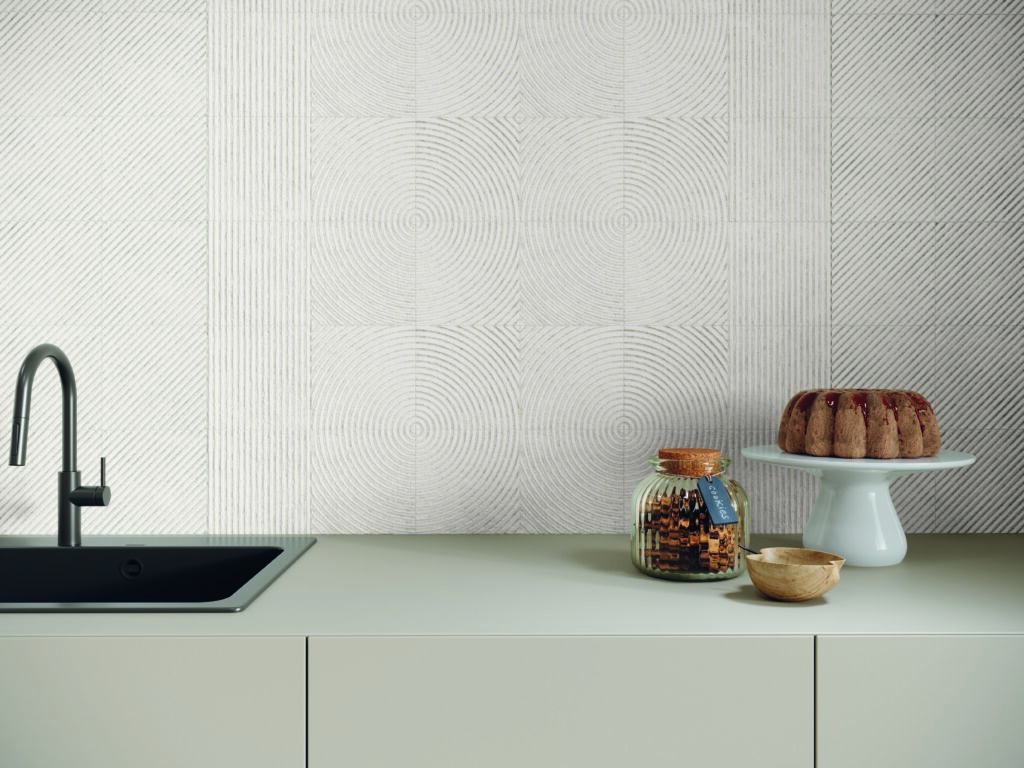
Geometric patterns are a popular trend in kitchen splashbacks. They add visual interest and a modern touch to any kitchen. From simple shapes like squares and triangles to more complex designs, geometric tiles can create a focal point that enhances the overall design of your space.

Choosing a contrasting grout colour can highlight the beauty of your splashback tiles. It adds depth and definition, making the pattern or design stand out. This technique is especially effective with patterned or mosaic tiles, creating a visually striking and dynamic look.

Integrating shelving or lighting into your splashback can enhance both the functionality and style of your kitchen. Open shelving can provide additional storage while adding a decorative touch. Under-cabinet lighting, when paired with reflective tiles, can create a warm and inviting atmosphere, perfect for cooking and entertaining.

DIY vs. Professional Installation

Installing splashback tiles can be a DIY project, but it requires careful planning and skill. If you’re handy and have the tools, it can be a rewarding task. However, for a professional finish, especially with larger or unique tiles, hiring a professional is often the best choice. They ensure precision and durability.

Practical Considerations for Maintenance

When choosing grout, consider both aesthetics and practicality. A matching grout colour can create a seamless look, while a contrasting colour adds visual interest. Regardless of your choice, sealing the grout is crucial to prevent stains and moisture damage. Regular sealing ensures your splashback remains easy to clean and maintain.

Cleaning and Care for Your Splashback Tiles

Cleaning and caring for your splashback will depend on the tile you have chosen for your splashback. Ceramic and porcelain tiles are low-maintenance and easy to clean. Use a damp cloth or a mild detergent to wipe them down regularly. Avoid abrasive cleaners, as they can scratch the surface. For tougher stains, a non-abrasive scrub can be used, but always test a small area first. Glass tiles are highly resistant to stains and easy to clean. A simple solution of water and mild soap is usually sufficient. For stubborn stains, a non-abrasive cleaner can be used. Wipe them down regularly to prevent buildup and maintain their shine. Avoid using harsh chemicals that can damage the finish. Natural stone tiles, such as marble or granite, require regular sealing to prevent stains and water damage. Clean them with a soft cloth and a mild, non-acidic cleaner. Avoid abrasive sponges and harsh chemicals, as they can scratch or etch the surface. Regular maintenance keeps your tiles looking their best.

Budget-Friendly Options

If you are working with a limited budget, consider using smaller, less expensive tiles but finding a budget-friendly splashback doesn’t mean you have to sacrifice style. In fact, some of the most affordable options—like classic subway tiles—are currently the most “on-trend” choices for 2026. These can be just as stylish and functional as larger, pricier options. The trend for “quiet luxury” means you can achieve a high-end look using very affordable materials. Another cost-effective solution is to install a partial splashback, covering only the areas most prone to splashes and spills. This reduces the overall cost while still providing essential protection and style.

Remember, a budget tile doesn’t have to look cheap. You can make budget materials look high-end with a few design choices. Consider using these designer tricks to elevate basic materials.

Matching Grout: Using a grout colour that perfectly matches your tile creates a “seamless” look. This hides the fact that the tiles might be basic and mimics a solid, expensive surface.

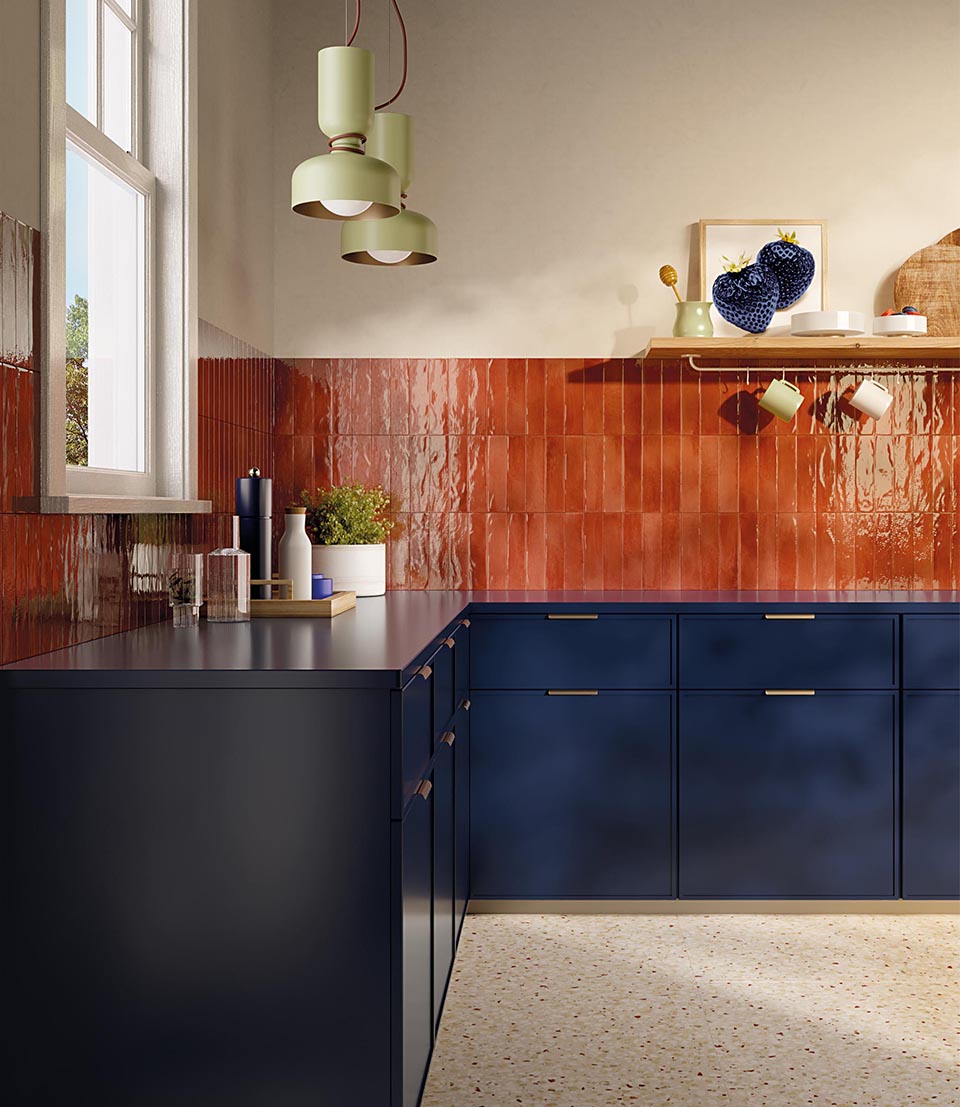
The Vertical Stack: Instead of the traditional brick pattern, lay subway tiles vertically. It makes low ceilings feel higher and gives a basic tile an architectural edge.

The “Half-Wall” Splashback: You don’t always have to tile all the way to the cabinets. Tiling just 150mm–300mm up and finishing with a simple trim can save you 50% on material costs.

The Checkerboard: Mix two different colours of the same budget square tile (e.g., cream and terracotta) to create a custom “designer” pattern for no extra cost.

Paint over Old Tiles: If your current splashback is structurally sound but dated, use a specialized tile paint kit and you can completely change the colour of your kitchen.

Bringing Your Vision to Life

Designing your dream kitchen is a journey of balancing what you love with what you need. As we’ve explored, splashback tiles are the perfect intersection of these two worlds—offering a canvas for your personal style while providing a rugged shield against the chaos of daily cooking. Whether you opt for the timeless appeal of subway tiles, the luxury of natural stone, or the bold statement of a geometric pattern, the right choice will anchor your kitchen’s design for years to come. Now that you have the tools and tips to choose and maintain your tiles, it’s time to stop imagining and start creating a culinary space that is as practical as it is beautiful.

Elevate Your Space with Terrazzo Tiles: A Timeless Design Choice

The Resurgence of Terrazzo as a Design Staple

Terrazzo tiles are making a bold comeback in the design world, transforming spaces with their unique blend of elegance and durability. Once a staple in the grand halls of ancient Venice, terrazzo has evolved to become a sophisticated and trendy choice for modern interiors and exteriors as their unique blend of elegance and durability is hard to resist. In this article, we will delve into the rich history of terrazzo, explore its timeless appeal, and explore the many benefits of terrazzo tiles, including their aesthetic appeal, durability, and versatility. You will also discover the myriad of ways they can elevate the look and feel of your space, making them a sophisticated and trendy choice for any project.

Whether you’re a homeowner looking to refresh your space, an architect seeking a durable and stylish solution, or a designer aiming to add a touch of sophistication, this guide will provide you with the insights and inspiration you need to make terrazzo a standout feature in your next project.

A Blend of Old and New

Terrazzo tiles have a rich history dating back centuries. Crafted from chips of marble, quartz, and glass set in a cement or epoxy matrix, they offer a timeless aesthetic that never goes out of style that was once a staple in grand public buildings of ancient times. Today, they bring a fresh, contemporary feel to any space.

From floors to walls, countertops to backsplashes, terrazzo tiles can be used in a variety of applications. Their durability and low maintenance make them ideal for high-traffic areas, while their customizable designs cater to a wide range of styles, from traditional to modern.

A Rich History Inspired by Ancient Mosaics, Reimagined for Today

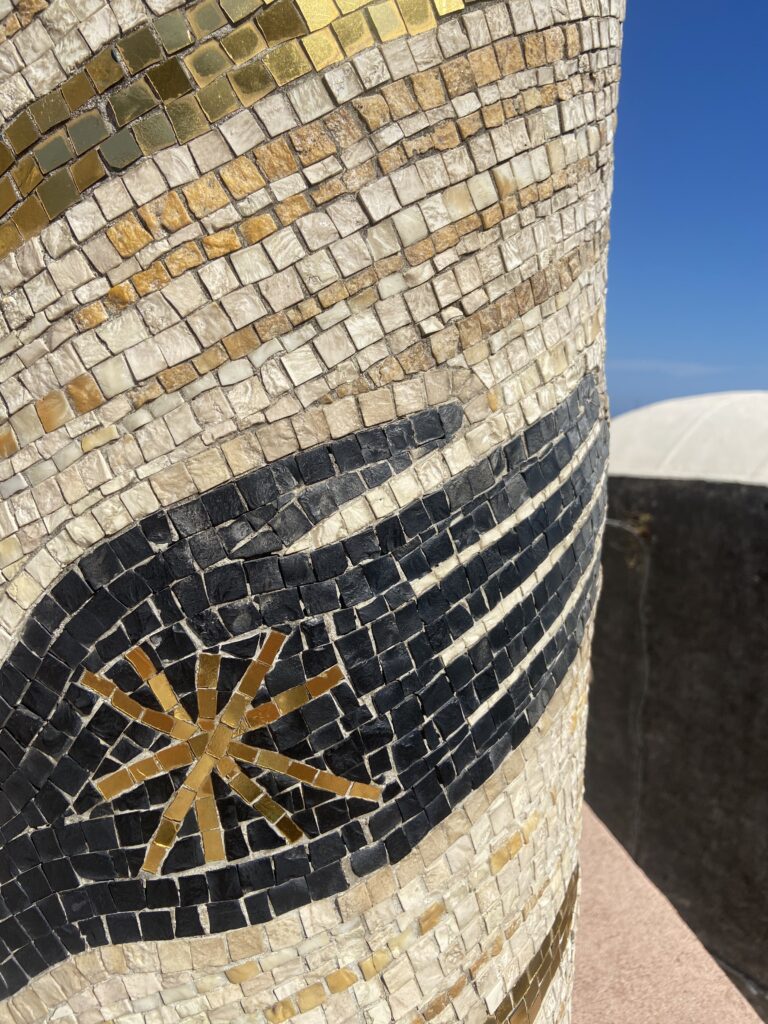
Terrazzo tiles trace their roots back to Venice, Italy, where they emerged in the 15th century. The concept of terrazzo draws inspiration from ancient Roman and Byzantine mosaics. These intricate designs used small pieces of stone, glass, and other materials to create patterns and images.

Craftsmen adopted this mosaic technique using leftover marble chips which they set in clay to create durable, polished floors. With a focus on practicality and longevity, this innovative recycling technique laid the foundation for terrazzo’s enduring legacy.

Over the centuries, terrazzo has evolved significantly. Modern terrazzo uses a mix of marble, quartz, and other aggregates, bound by cement or epoxy. This advancement has enhanced its durability and expanded its colour palette, making it more versatile for contemporary design. Today, terrazzo tiles have been reimagined to suit modern tastes. Sleek, minimalist designs and a wide range of colours and patterns make terrazzo a popular choice for both residential and commercial spaces. Its ability to blend traditional charm with modern sophistication is unparalleled making it a sought-after choice for modern homes and commercial spaces.

The Allure of Terrazzo: Why It’s Timeless

Terrazzo tiles are renowned for their vibrant chips, which add a unique, almost artistic touch to any surface. The diverse colour palettes, ranging from neutral tones to bold hues, allow for endless styling possibilities. It is this ability to adapt to changing trends while maintaining its classic elegance that gives terrazzo its timeless appeal. Whether in a bustling city apartment or a serene countryside home, terrazzo tiles offer a versatile and sophisticated touch that enhances any space.

As design continues to evolve, terrazzo remains at the forefront. Its rich history and modern adaptability ensure that it will continue to be a favoured material for those seeking a blend of beauty, durability, and timeless style.

Versatility in Use

Terrazzo tiles are incredibly versatile, making them suitable for a variety of rooms. In the kitchen, they provide a durable and stylish surface that can withstand daily wear and tear. In bathrooms, their water-resistant properties make them a practical choice. Living areas benefit from their elegant appearance, adding a touch of sophistication.

Beyond the indoors, terrazzo tiles excel in outdoor settings. They are resistant to weathering and can withstand the elements, making them ideal for patios, walkways, and pool areas. The seamless transition from indoor to outdoor spaces enhances the overall aesthetic of any home or commercial property.

One of the key advantages of terrazzo tiles is their longevity. They are highly durable and can last for decades with minimal maintenance. This makes them a cost-effective choice in the long run, as they require less frequent replacement compared to other flooring options.

Terrazzo tiles are not only durable but also easy to maintain. Regular cleaning with mild soap and water is usually sufficient to keep them looking their best. This low-maintenance quality makes terrazzo an attractive option for busy homeowners and commercial spaces alike.

Beyond Floors: Creative Applications of Terrazzo Tiles

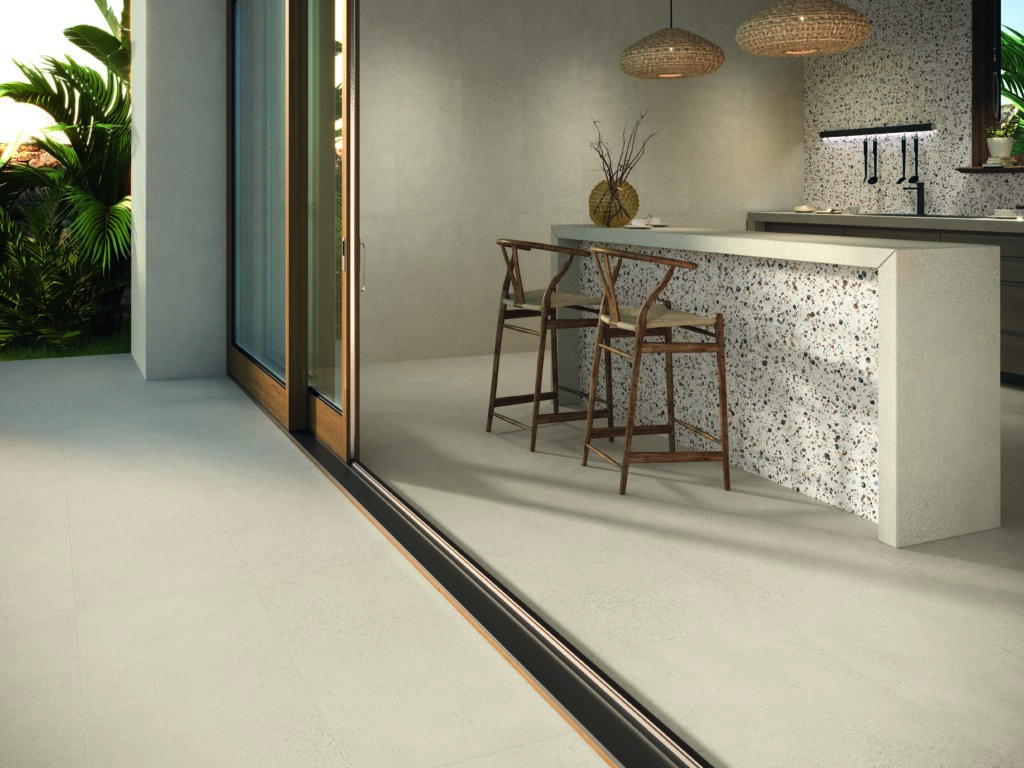
Terrazzo tiles are not just for floors. They make stunning countertops and benchtops, bringing a touch of luxury to any kitchen or bathroom. The smooth, surface is both functional and visually appealing, making it a practical choice for high-traffic areas.

Transform a plain wall into a striking feature with terrazzo tiles. Their unique patterns and vibrant colours can create a focal point in any room. As splashbacks, terrazzo tiles add a sophisticated backdrop to kitchen sinks and stovetops, enhancing both functionality and aesthetics.

Terrazzo tiles can also be integrated into furniture pieces, such as coffee tables and console tables, adding a modern and chic touch. Decorative accents like vases, trays, and wall art can also incorporate terrazzo, bringing a sense of elegance and uniqueness to your space.

From small decorative items to larger furniture pieces, terrazzo adds a layer of sophistication to any interior. Its versatility allows it to complement a wide range of design styles, from minimalist to eclectic. Embrace the timeless beauty of terrazzo to create a space that stands out.

Design Tips for Incorporating Terrazzo

When incorporating terrazzo tiles into your design, consider pairing them with wood and metal for a balanced look. The warm tones of wood and the sleek lines of metal complement the vibrant chips of terrazzo, creating a harmonious blend of materials. This combination is perfect for modern, industrial, and rustic styles.

Terrazzo can be used as a statement piece or a subtle accent, depending on your design goals. For a bold look, use large terrazzo tiles as a feature wall or kitchen island. For a more understated approach, opt for smaller tiles as a backsplash or accent wall. Both options add a touch of elegance and sophistication.

When selecting terrazzo tiles, consider the colour palette of your space. Neutral terrazzo tiles with subtle chips work well in minimalist designs, while bold, colourful tiles can add a pop of vibrancy to a more eclectic room. Experiment with different hues to find the perfect match for your aesthetic.

Don’t be afraid to mix and match terrazzo tiles with other design elements. Combine terrazzo with glass, stone, or ceramic tiles to create a layered and textured look. This approach adds depth and visual interest, making your space feel both modern and timeless.

Embrace Terrazzo’s Blend of History, Beauty, and Practicality

Terrazzo tiles carry a legacy of elegance and durability that spans centuries. From ancient Venetian floors to modern interiors, terrazzo has proven its timeless appeal. Its rich history adds a layer of sophistication to any space, making it a choice that stands the test of time.

Terrazzo tiles offer a perfect blend of beauty and practicality. Their durability and low maintenance make them a cost-effective choice, while their vibrant colours and unique patterns bring a touch of luxury. Whether for floors, countertops, or decorative accents, terrazzo elevates every surface it adorns.

The versatility of terrazzo tiles allows for endless design possibilities. From minimalist to eclectic, terrazzo can adapt to any style. Its ability to pair seamlessly with wood, metal, and other materials ensures that it can be a focal point or a subtle accent, depending on your vision.

As design trends continue to evolve, terrazzo remains a future-proof choice. Its timeless beauty and modern adaptability ensure that it will remain a favoured material. Whether for a new build or a renovation, terrazzo tiles offer a sophisticated and enduring solution.

Explore Terrazzo Today

With its rich history, stunning aesthetics, and practical benefits, terrazzo is a design choice that will not disappoint. Discover the timeless elegance of terrazzo and transform your space into a masterpiece of modern and classic design.